Description
Sentina Nature Reserve: An Oasis Between Land and Sea in the Heart of the Adriatic
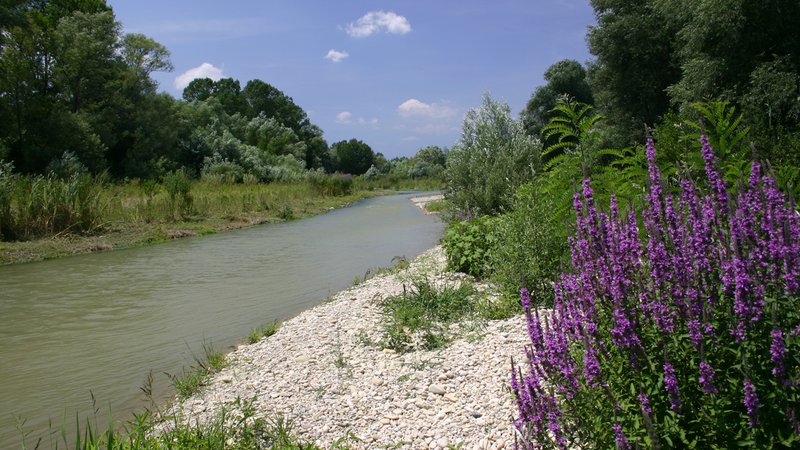
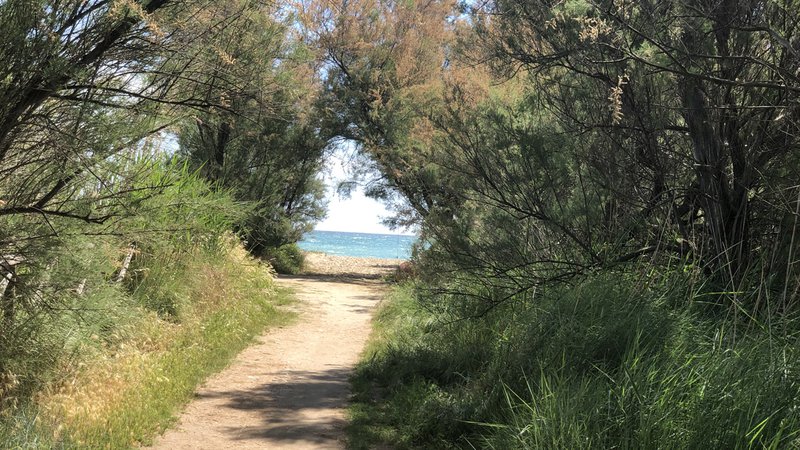
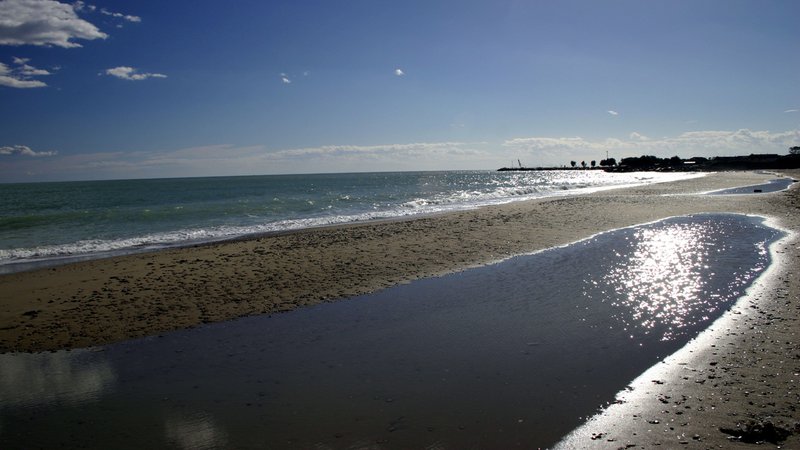
Located south of the municipality of San Benedetto del Tronto, near the mouth of the Tronto River, the Sentina Regional Nature Reserve represents a unique landscape along the Adriatic coast. Covering approximately 180 hectares, this "green and blue lung" is a mosaic of brackish environments, wetlands, and sand dunes that resists the surrounding urbanization.
Historical Notes
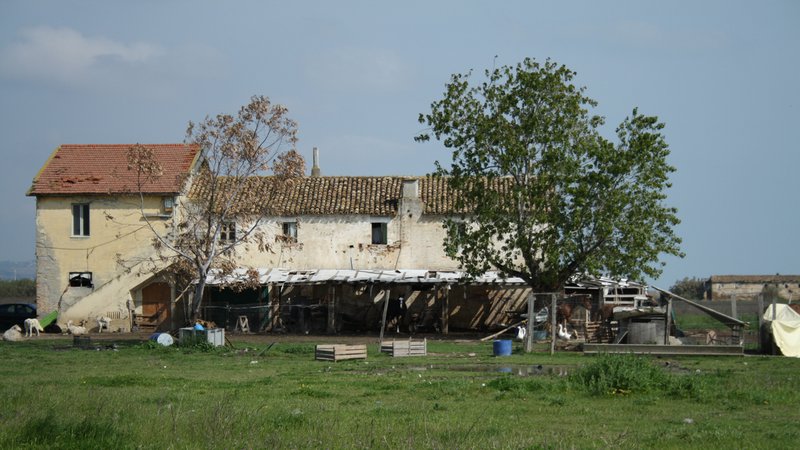
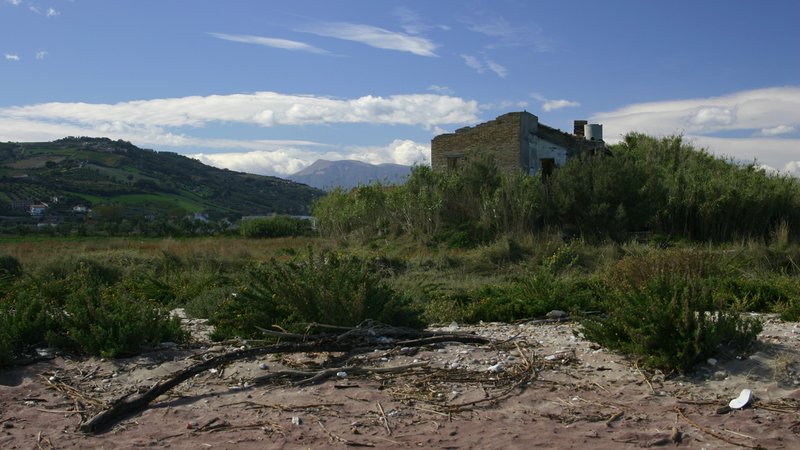
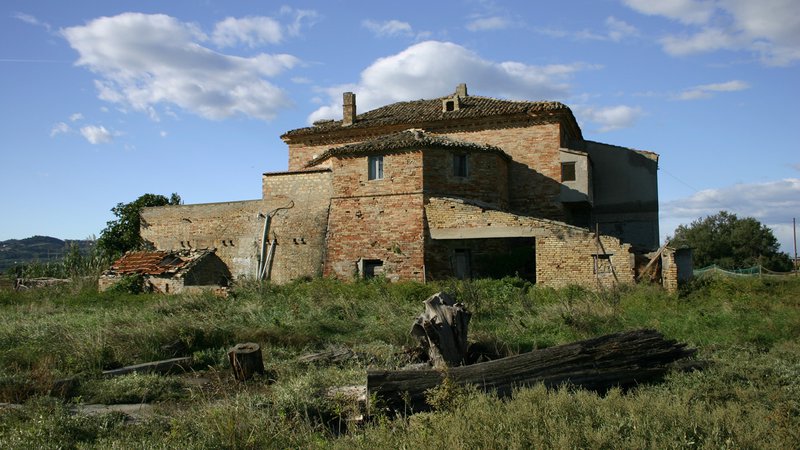
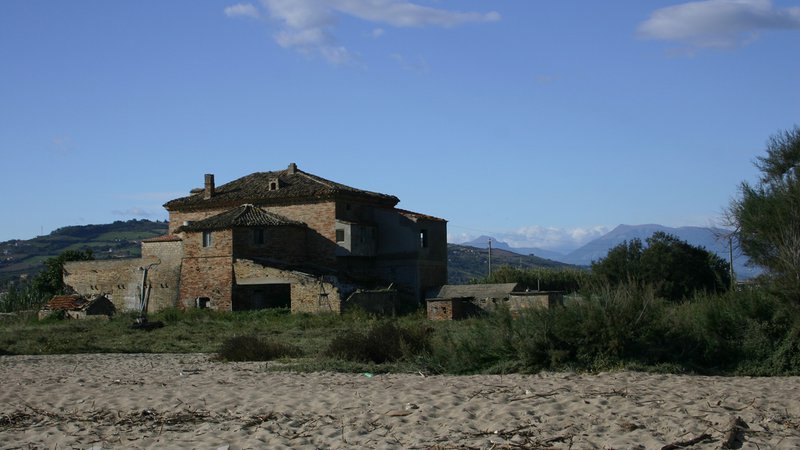
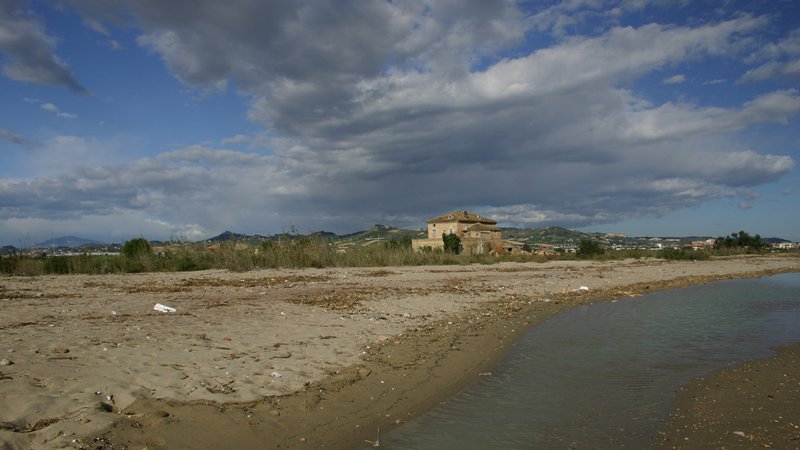
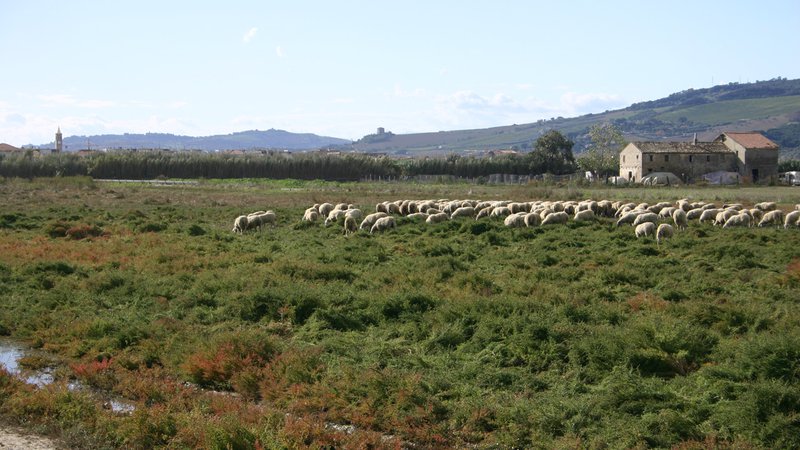
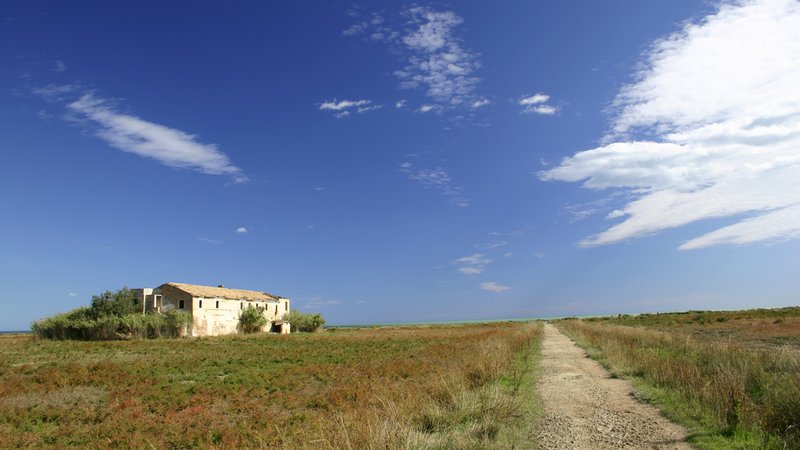
Historically, the Sentina area was characterized by a vast marshland that extended well beyond its current boundaries. During the 20th century, much of the land was reclaimed for agricultural purposes. Evidence of this past are the characteristic "farmhouses" scattered throughout the reserve, some of which are now being restored. The Reserve was officially established in 2004 by the Marche Region, with the aim of protecting the last remaining stretches of coastal wetland, threatened by erosion and development.
The Environments and the Flora
The Sentina Reserve is made up of different environments:
- mainly sandy dune environment facing the sea
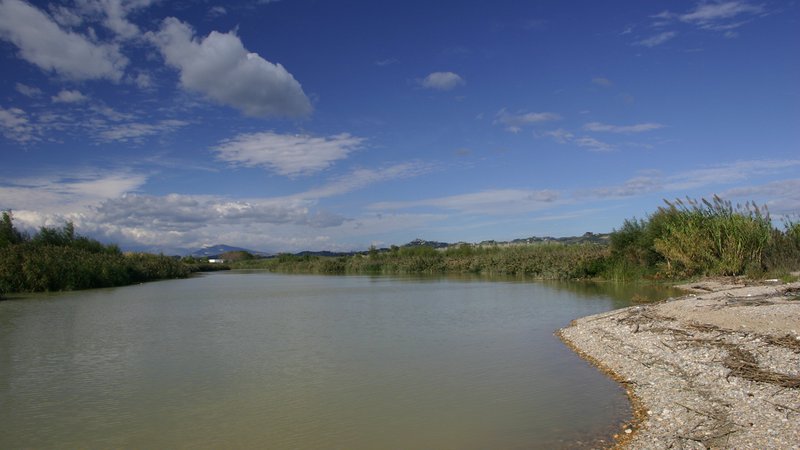
- retro-dune humid environments (recovered after ancient agricultural reclamation works) which present various bodies of fresh or brackish water
- the salt meadow characterised by a high salinity soil which depends greatly on the tides or rainfall which makes it a very variable environment
- the agricultural zone which is found mainly in the western part, which was created through the reclamation of the land at the mouth of the Tronto carried out in the first decades of the 1900s.
The high salinity environments are dominated by halophyte species which tolerate the high presence of salt in the soil including the Salicornia, the Suaeda Marittima and the Aster Marino.
Among the dunes and in some humid areas you can observe the Sea Lily (Pancratium maritimum), with its scented white flowers, the Spartina, the Maritime Knotweed, the Salsola and the Beach Spurge, essential for consolidating the dune system.
In some areas of abandoned agricultural areas we can also find Licorice plants.
The Fauna
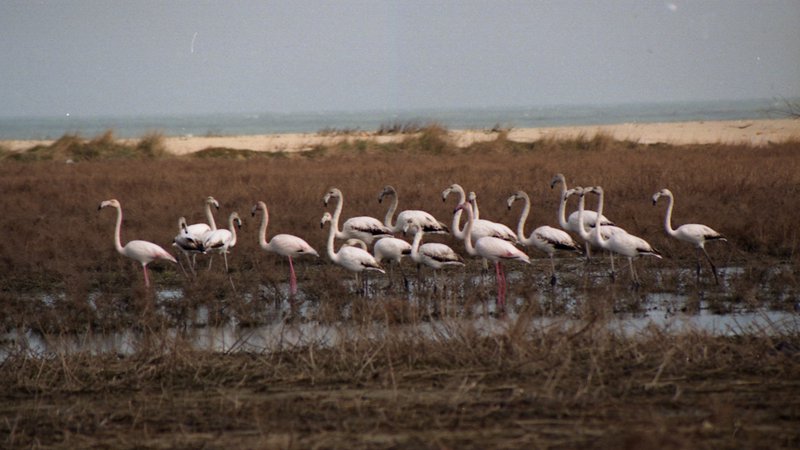
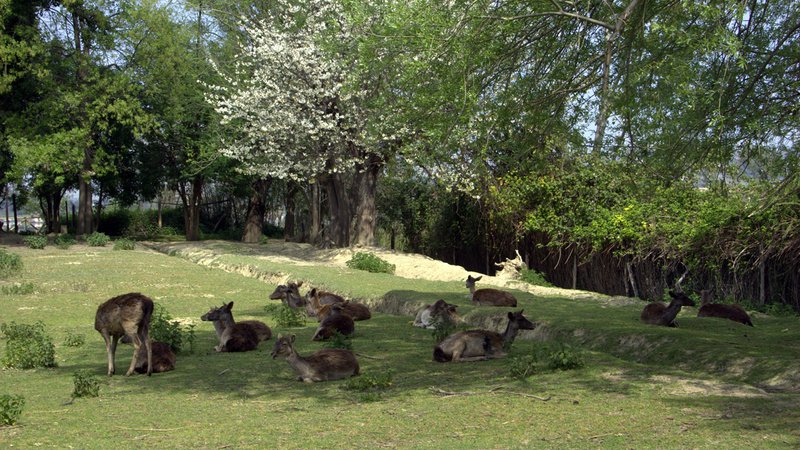
The Reserve is a crucial stopping point for migratory birds along the Adriatic route.
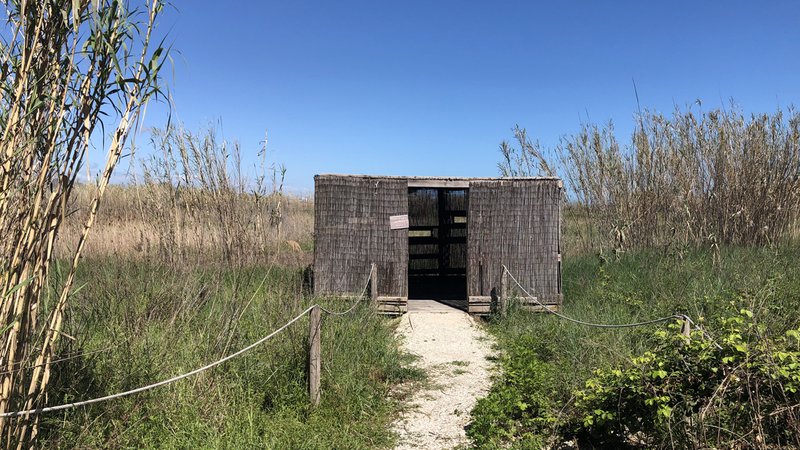
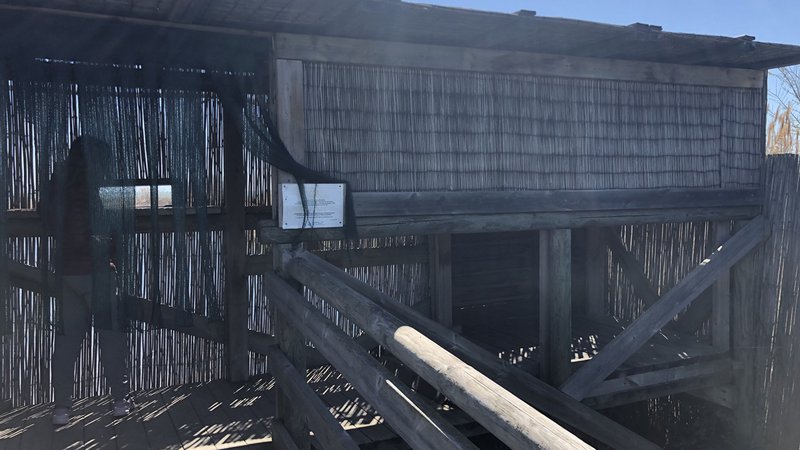
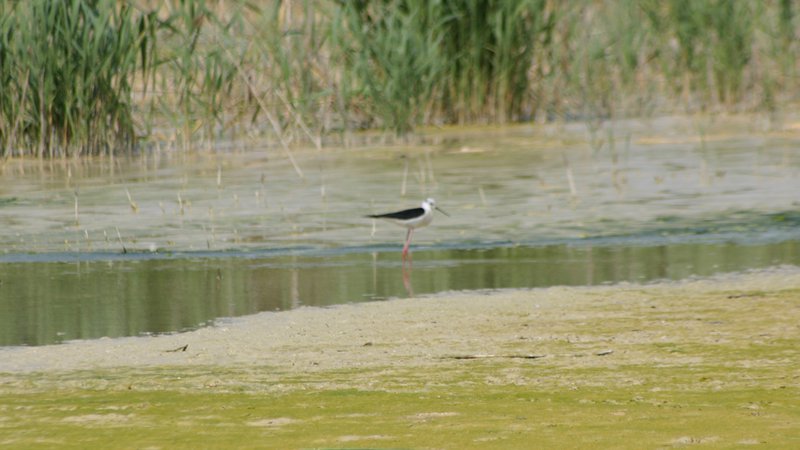
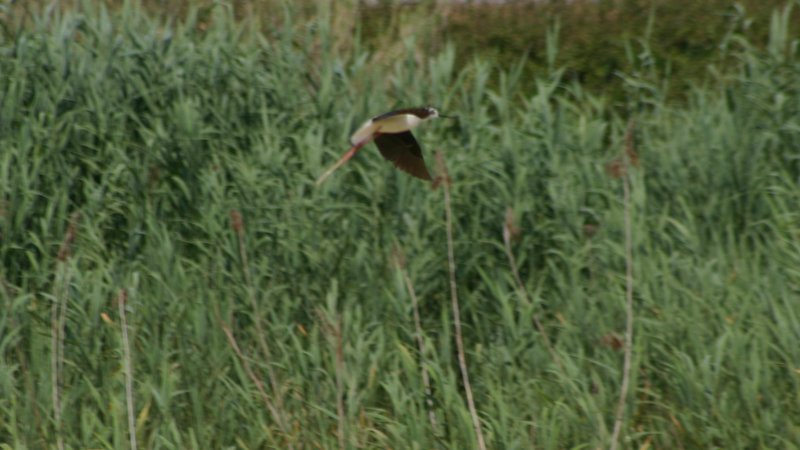
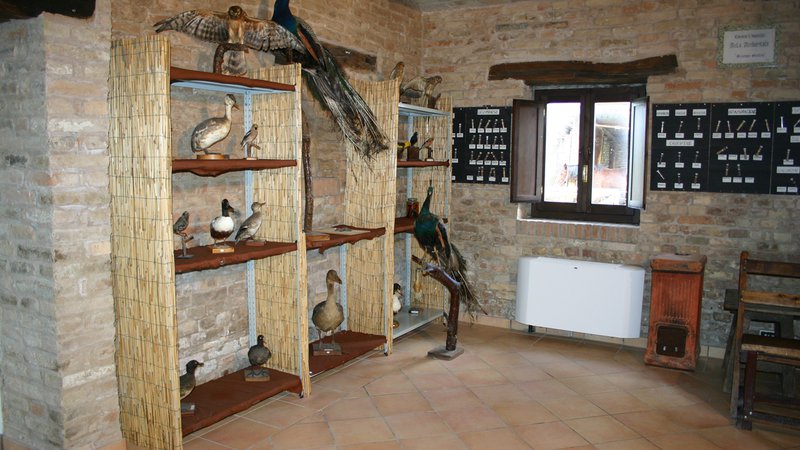
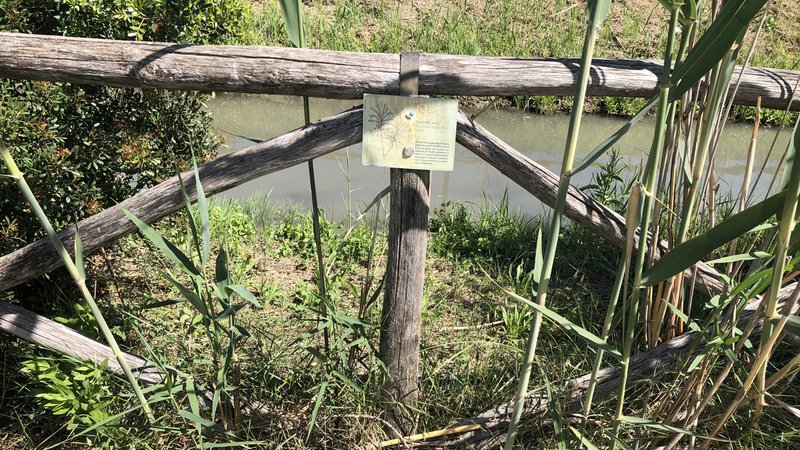
On the equipped paths, we find information signs on the species that frequent it and watchtowers and lookout points that allow them to be observed. Among the bird species present in the Reserve, it is possible to spot the Black-winged Stilt, the Little Egret, the Grey Heron, the Kingfisher and the rare Little Ringed Plover. In the wetlands, it is also possible to find some species of Reptiles and Amphibians, including the Green Toad and the European Pond Turtle.
Tourism: Sustainable Activities and Experiences
La Sentina is not just about conservation, but also a place of regeneration for visitors seeking authentic contact with nature. The Reserve is an ideal place for birdwatching (thanks to the dedicated watchtowers), nature photography, environmental education, or simply quiet walks. The reserve is open year-round and admission is free. It's the ideal place for those staying on the Riviera delle Palme and seeking an escape from the beach life.
Recommended Itineraries and Routes
There are several ways to explore the Reserve, all with low environmental impact.
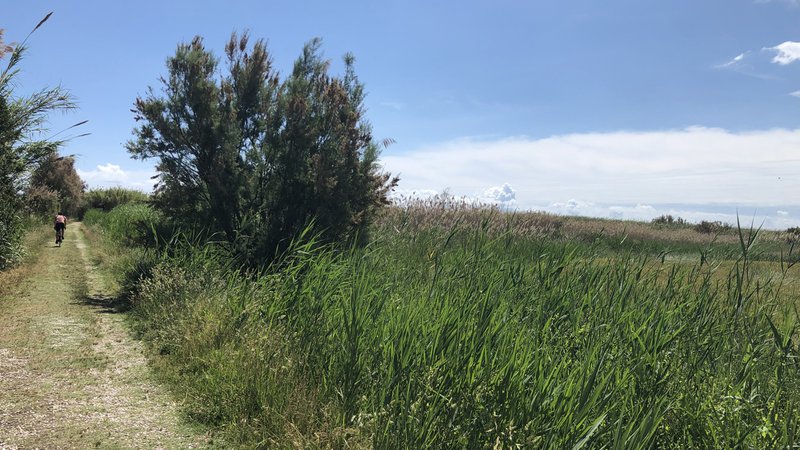
We can take the Cycle-Pedestrian (Anello della Sentina) path,
a flat route suitable for everyone, including families, about 5-7 km long. It can be crossed on foot or by bike and runs along the entire Reserve to the Educational Farm located on the southern border of the Reserve. The route crosses the back-dune area, skirts the ponds for birdwatching, and reaches the mouth of the Tronto River, where you can enjoy a panoramic view of the Laga mountains and the Gran Sasso.
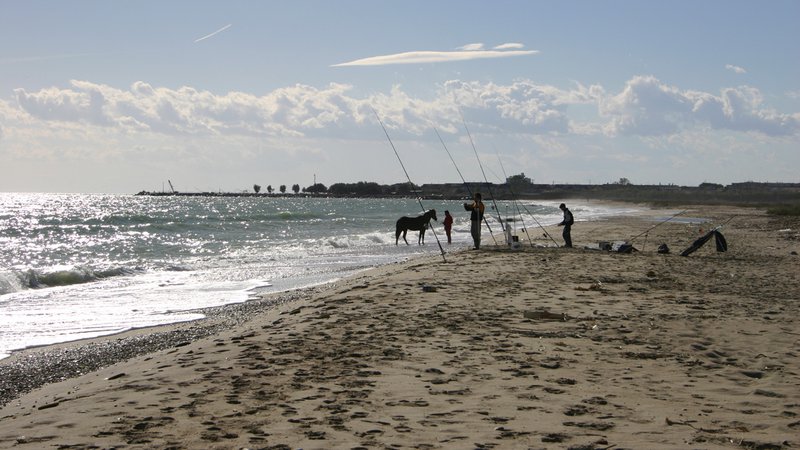
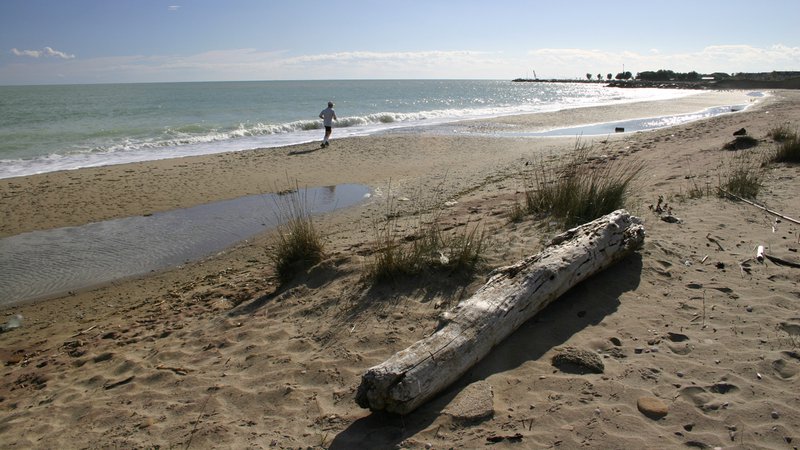
We can visit it by walking along the beach via the "Sea Path,"
a route that follows the coastline, perfect for observing marine erosion and the natural deposits of driftwood brought by storm surges, which offer shelter to numerous insects and microorganisms.
On both routes, we will come across the Fortino della Sentina, known as the "Tower on the Port." It was originally an octagonal defensive tower, built in the 16th century to protect the river port, which in the 17th century was incorporated into a rectangular building used as barracks and customs.
Visiting Tips
To fully enjoy the beauty of the Sentina Reserve without damaging it, we recommend staying on the paths so as not to trample on the dune flora, and bringing binoculars or a camera with a zoom lens to observe without disturbing the birds and avoiding noise.
For more detailed information: www.riservasentina.it